
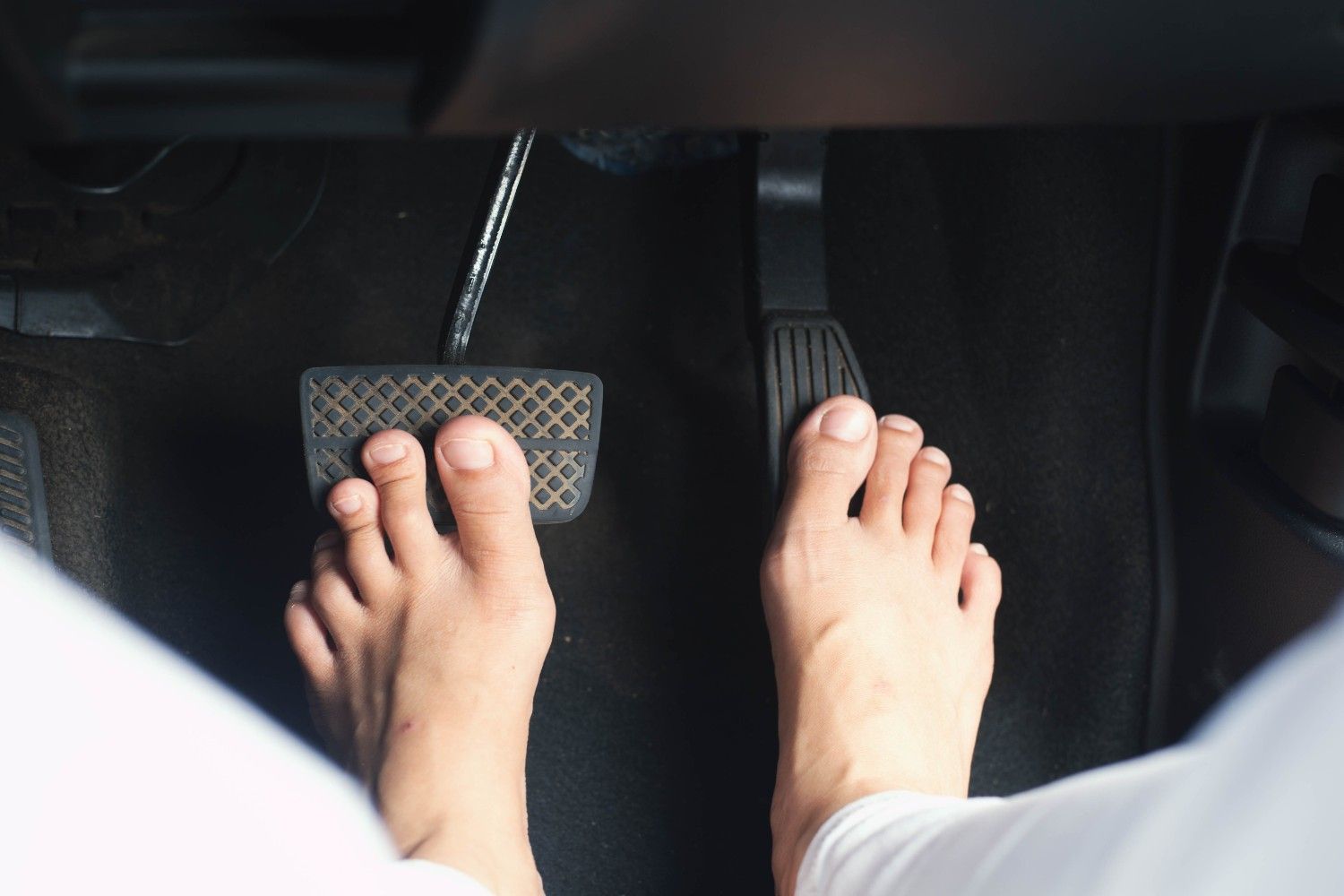
You hop in the car after a day at Eagle Creek Park. Shoes feel miserable. The question hits you right as you start the engine. Can I drive barefoot in Indianapolis? The short answer is yes, it is legal. But legal does not always mean smart. And after a crash, what you wore on your feet can become a detail an insurance company tries to use against you.
We see this all the time. People do something that is allowed, then the other side twists it into a blame story. This article lays out what Indiana law actually says, what safety research and police guidance suggest, and how barefoot driving could affect a claim. If you need help after a crash, our Indianapolis accident lawyer team is here to talk.
Is Driving Barefoot Illegal In Indiana
Indiana does not have a law that bans barefoot driving. There is no law requiring you to wear shoes to drive. The Indiana Code and state guidance focus on safe operation, not footwear. Multiple legal summaries of Indiana law confirm that barefoot driving is allowed statewide.
So, if you are only asking whether a police officer can ticket you just for driving barefoot in Indianapolis, the answer is no.
The Real Law That Matters: Control Of Your Vehicle
Even though barefoot driving is legal, Indiana law requires every driver to stay in control of the vehicle. If your driving shows reckless disregard for safety, you can be cited. Indiana’s careless driving law is broad. It covers any driving behavior that endangers people or property.
That is why barefoot driving can still matter. Not because shoes are required, but because you must drive safely. If barefoot driving leads to a loss of pedal control, then the officer or insurer may connect your lack of footwear to unsafe driving.
Why People Drive Barefoot In Indianapolis
This is a common choice in our city. We hear the same reasons again and again.
- Summer heat and humidity make shoes uncomfortable.
- People leave pools, lakes, or splash pads and do not want to put their shoes back on.
- Flip flops break or slide around, so drivers kick them off.
- Runners or gym members head home without wanting sweaty shoes.
None of these is illegal. But each one has a safety angle to consider before you drive.
Safety Concerns With Barefoot Driving
Safety experts generally discourage barefoot driving. The most significant risk is pedal slip. Bare feet can slide on smooth pedals if they are wet or sweaty. Bare feet also give you less structure, so that emergency braking can feel less stable.
Here are practical situations where barefoot driving can go wrong.
- Wet Feet After Swimming
Water reduces friction. Your foot can slide off the brake at the worst moment. - Sudden Stops In City Traffic
Indianapolis experiences heavy stop-and-go traffic on I-465, I-70, and the Meridian Street corridor. If you need a hard stop, shoes help deliver a steady force. - Long Drives With Foot Fatigue
Bare feet can tire faster, especially on highway runs. That can slow reaction time. - Cold Weather Numbness
Indiana winters are real. Bare feet can go numb, and numb feet do not respond fast.
We are not saying barefoot driving will cause a crash every time. It removes a layer of control that you sometimes need.
Barefoot Versus Bad Shoes
There is a twist here. Driving barefoot may be safer than driving in certain shoes. Flip flops, slides, high heels, and heavy boots can get stuck under pedals or limit ankle movement. Safety articles and police guidance in several states call out unstable footwear as a common hazard.
So barefoot is the better option compared to shoes that interfere with pedals. The best option is still a secure, flat shoe with decent grip.
Can Barefoot Driving Affect Fault After A Crash
This is where things get serious. Indiana follows a modified comparative fault rule. If you are partly at fault, your compensation can be reduced. If you are 51 percent or more at fault, you recover nothing. This rule is a key part of Indiana personal injury law.
Barefoot driving can become a fault argument if the other side claims it contributed to the crash. Example. You rear-end someone on Keystone Avenue. The insurer says your foot slipped because you were barefoot, so you are partly responsible. They may try to cut your payment.
That does not mean they are right. It means they will try. Our job as an accident attorney in Indianapolis, IN, is to keep the blame where it belongs.
What Insurance Companies Try To Do With This Detail
Insurance adjusters look for any reason to reduce payouts. Barefoot driving is an easy target because it sounds unsafe to many people. Some insurers may frame it as careless behavior, even though it is legal.
Common tactics include:
- Asking if you were barefoot right away.
- Saying you must have been distracted by shoes on the floor.
- Claiming you could not brake as hard.
- Using vague words like irresponsible or reckless.
Do not let that rattle you—legality matters. Evidence matters more. Footwear alone does not prove fault.
Smart Barefoot Driving Tips If You Choose To Do It
If you sometimes drive barefoot, here is how to reduce the risk.
- Dry your feet first. Keep a towel in the car.
- Clear the floorboard—no loose sandals under pedals.
- Sit close enough for complete pedal control.
- Avoid barefoot driving in heavy rain or snow.
- Switch to safe shoes for long highway trips.
- If your feet feel cold or numb, put shoes on.
These steps keep you safer and reduce easy blame arguments later.
What To Do After A Crash If You Were Barefoot
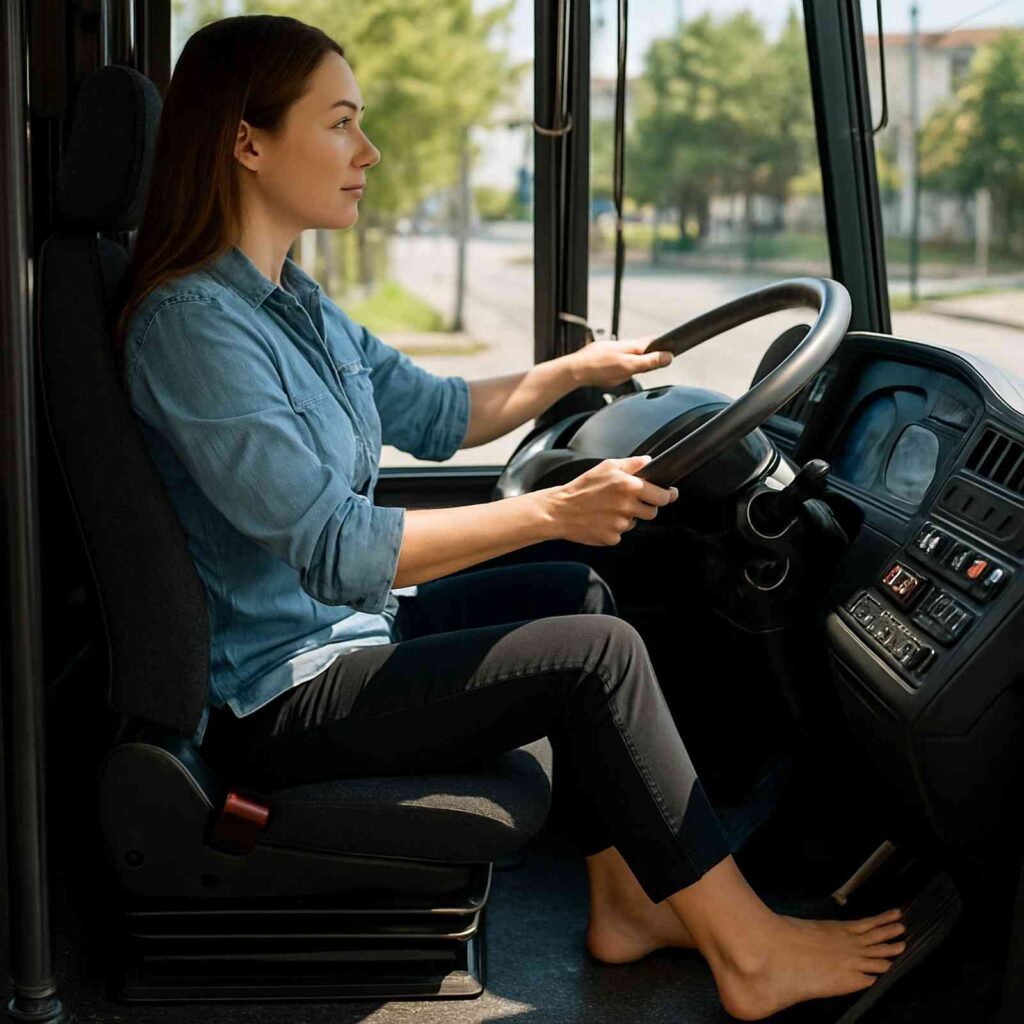
If you are in a wreck, focus on the basics. Then protect your claim.
- Call 911 and get medical help.
- Report the crash to the police.
- Take photos of vehicles, the scene, and road conditions.
- Be honest, but do not guess about fault.
- If asked about barefoot driving, keep it simple. Say it is legal and you had complete control.
- Call our auto accident attorney in Indianapolis, Indiana, before giving a recorded statement.
The earlier we get involved, the faster we can shut down bad fault narratives.
When Barefoot Driving Might Be A Red Flag In Court
Most cases never reach trial. But if one does, barefoot driving might matter in a narrow set of facts.
- You were cited for reckless driving.
- A witness says they saw your foot slip.
- Pedal marks or vehicle data show delayed braking.
- You admit you could not control the pedals.
Without evidence like this, barefoot driving remains a side detail.
Bottom Line For Indianapolis Drivers
You can drive barefoot in Indianapolis. It is legal in Indiana. But it can raise safety risks in wet, cold, or high-traffic conditions. It can also become a blame tool after a crash.
If you were hurt in a collision and the insurance company is using footwear as an excuse, push back. We do it every day. Talk with our Indianapolis accident lawyer team. We will review the facts, deal with the insurer, and fight for the full value of your claim.