
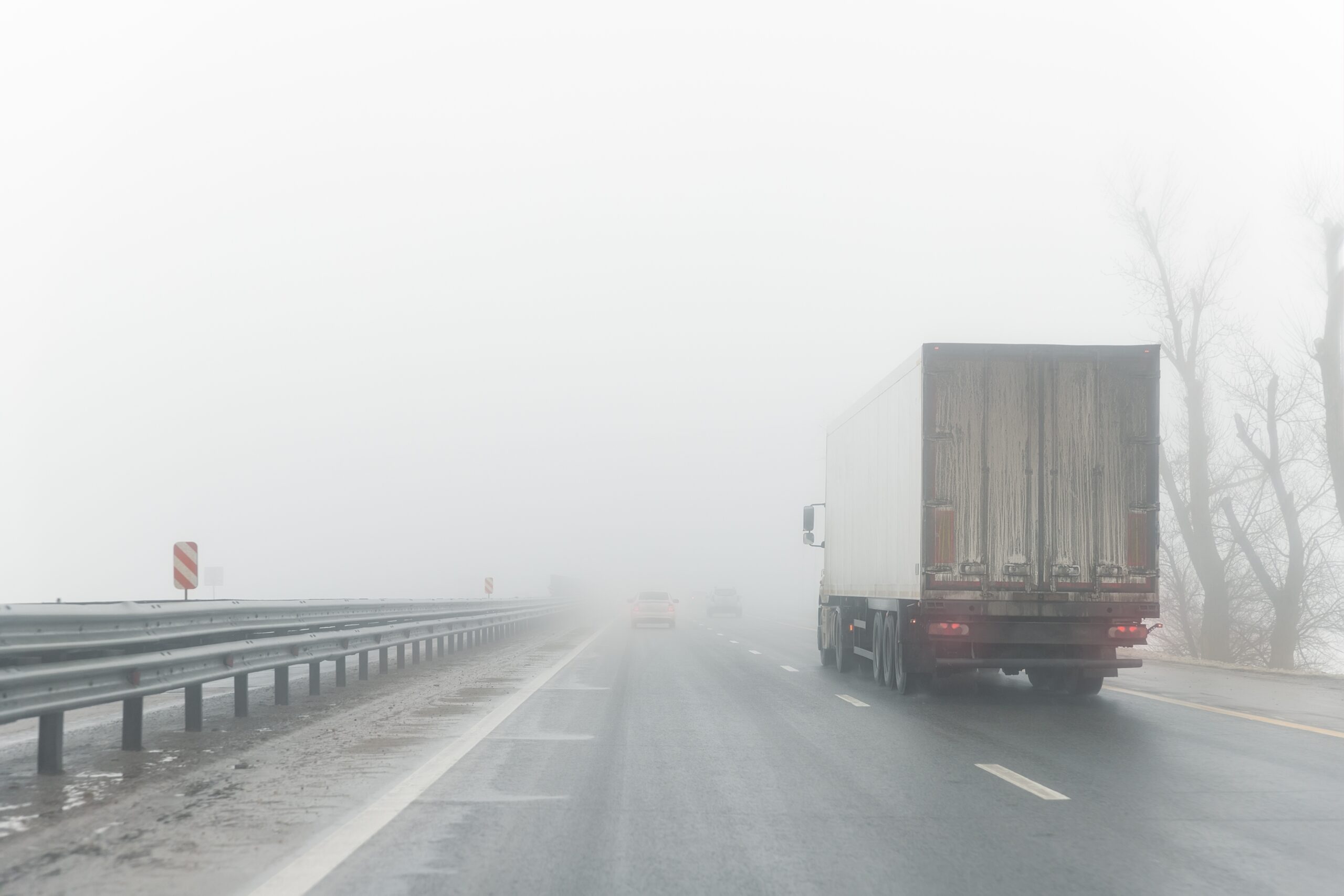
A massive multi-vehicle crash on I-70 this past weekend shows how quickly bad weather can turn an ordinary drive into a disaster, and why Indiana drivers need to know their legal options when a pileup occurs.
On Saturday, November 29, 2025, icy road conditions and heavy post-Thanksgiving traffic combined to cause a massive chain-reaction wreck in the westbound lanes of Interstate 70 near Terre Haute, not far from the Illinois state line.
Police say about 45 vehicles were involved. Despite the scale, Indiana State Police reported no major injuries, which is genuinely remarkable given that many cars were badly damaged or totaled. Cleanup crews spent roughly six hours clearing vehicles and reopening the highway while winter weather continued to sweep across the Midwest.
Even though this pileup happened west of Indianapolis, it matters to drivers across Central Indiana. I-70 is one of the busiest corridors in the state and a major route for holiday travel, trucking, and daily commutes.
When a storm hits one part of the interstate, the same hazards usually exist across the entire stretch, from Terre Haute through Indianapolis and beyond.
At Eskew Law, our experienced Indianapolis car accident lawyers are here to help. The first step after an accident is to call our office to discuss your rights and options.
What Likely Caused The I-70 Pileup
While official reconstruction may take time, winter pileups like this almost always boil down to the same deadly mix:
Icy pavement kills traction.
Drivers can lose control without warning, especially on bridges, shaded areas, or spots where freezing rain has built a thin, glassy layer of ice. “Black ice” is notorious because it looks like wet pavement until your tires hit it.
Stopping distance explodes.
Even careful drivers need much more room to slow down on ice. What might be a safe following distance in dry weather becomes dangerously short in winter conditions.
Traffic volume creates the domino effect.
Thanksgiving weekend means packed lanes, impatient drivers, and little space to maneuver. When the first car slides or brakes suddenly, everyone behind it is forced to react at once.
Trucks intensify chain reactions.
Commercial vehicles require far longer to stop, and their size can block sightlines for passenger cars. In bad weather, a single truck that can’t slow down in time can turn a smaller crash into a multi-lane pileup.
Police also urged drivers statewide to stay off roads unless necessary, emphasizing slower speeds and increased following distance while conditions remain dangerous.
“It Was The Weather” Is Not A Legal Defense
After a big storm wreck, insurance companies tend to push a simple story: “No one is at fault: it was an act of nature.” That framing helps them dodge payouts. Indiana law doesn’t work that way.
Drivers still have a duty to operate safely under the conditions. That means slowing down, leaving extra space, staying off phones, maintaining control, and adjusting to visibility and road grip. If a driver was speeding for conditions, tailgating, distracted, or driving a truck too fast for the ice, they can be held liable even if the weather made things worse.
This matters because pileups often involve multiple at-fault parties, like:
- A driver who brakes too late and starts the chain reaction
- Another who follows too closely and compounds it
- A truck driver who can’t stop due to speed or load issues
- A trucking company that failed to maintain brakes or tires
- Potentially even a government entity if roadway treatment was negligent (rare, but possible)
Figuring out who did what is hard in a 45-car mess. But it’s exactly what determines whether you get compensated or get unfairly blamed.
Indiana’s Fault Rules Can Make Or Break Your Claim
Indiana uses modified comparative fault. In practice:
- If you’re 51% or more at fault, you recover nothing.
- If you’re 50% or less at fault, you can recover damages, reduced by your share of fault.
So in a pileup, where everyone’s insurers start pointing fingers, protecting your fault percentage is critical. A single bad statement to an adjuster can shift blame onto you.
That’s why talking to an Indianapolis car accident lawyer early is smart, especially when the weather adds confusion and insurers try to exploit it.
What To Do If You’re In A Bad-Weather Crash
If you’re involved in a winter wreck on I-70 or anywhere in Indiana:
- Get checked out medically. Even “minor” crashes can cause delayed neck, back, or concussion symptoms.
- Call the police and get a report. The official record is a key foundation for your claim.
- Document what you can safely. Photos/video of road conditions, vehicle positions, damage, skid patterns, and weather matter.
- Get witness info. Names and numbers from other drivers are gold in multi-car cases.
- Don’t guess fault at the scene. Stick to facts.
- Avoid recorded statements until you’ve gotten legal advice.
These steps help preserve evidence that can disappear once tow trucks and plows roll through.
How Eskew Law Can Help After An I-70 Pileup
Winter pileups create legal chaos: multiple cars, multiple insurers, competing stories, and pressure to settle fast. Eskew Law helps cut through that mess.
If you were injured in a storm-related crash, the firm can:
- Launch a rapid investigation. Evidence on highways gets cleared quickly; timing matters.
- Reconstruct the chain reaction. Determining the trigger points and unsafe drivers is key to proving liability.
- Handle insurer tactics. Eskew Law pushes back when companies try to dump blame on you “because it was icy.”
- Pursue trucking liability. When commercial vehicles are involved, a truck accident attorney in Indianapolis can demand driver logs, maintenance histories, black-box data, and compliance records to expose preventable negligence.
- Fight for full damages. Medical costs, rehab, lost wages, future care, pain and suffering, and vehicle losses, not lowball offers designed to close the file.
Bad weather might explain why a crash happened. It doesn’t erase responsibility. If someone’s poor choices on ice hurt you, you have the right to hold them accountable.
Protect Your Rights After a Weather Related Accident
The 45-vehicle I-70 pileup near Terre Haute was a warning shot for every Indiana driver: when ice meets heavy traffic, a single mistake can trigger a highway-wide disaster. If you’re injured in a winter wreck, don’t let insurers tell you it’s nobody’s fault. Indiana law still protects you—if your case is handled the right way.
If you or a loved one was hurt in a bad-weather crash, reach out to Eskew Law. An experienced Indianapolis car accident lawyer can help you understand what happened, protect your claim, and pursue the compensation you need to move forward.